
Phlebotomy & IV Cannulation Training In Ireland
Updated: Sep 12
Phlebotomy and IV cannulation have been practiced for centuries, with their uses dating back a long time. Today, it is used for the same reason it was back then, to help with the treatment of disease. Learning how to perform intravenous access provides individuals with the skills and knowledge necessary to provide appropriate care to patients in times of need.
In this post, we will hopefully answer some of your questions & explore why Phlebotomy & IV Cannulation training is so important for healthcare providers to learn & practice in order to deliver safe & effective patient care.
Understanding Phlebotomy
Phlebotomy encompasses more than simply drawing blood. While obtaining venous access is one aspect, collecting blood samples in the correct sequence and delivering them promptly to the laboratory is just as crucial. If specimens are cross-contaminated or delayed in reaching the laboratory, they may be rejected, necessitating the person to return for additional testing. It is essential to get it right the first time. Time is critical in patient care. Delay can cost life.
In today's demanding healthcare environment, the increasing demand for accurate diagnostics has made a proficient phlebotomist more vital than ever.
Phlebotomists & emergency workers are some of the best healthcare workers in obtaining venous access. This is mainly due to their understanding of vascular anatomy and the techniques they have acquired over countless procedures. When time is vital such as in emergency situations, it is vital that the clinician finds and gains access to the appropriate vein. Only trained staff have the highest success rate in doing this. According to a study proper training can reduce blood draw complications by up to 70%. This highlights the connection between training and patient outcomes.
Just because a healthcare provider has been working around this area for years doesn't always mean they are doing it right.
Understanding IV Cannulation
IV Cannulation is a cornerstone of emergency medicine, serving as a critical procedure that facilitates rapid medical intervention in various clinical situations. This essential skill involves the precise insertion of a catheter of appropriate size into a patient's vein, which is crucial for the administration of vital fluids and medications. The fluids delivered through intravenous (IV) access can include life-saving components such as blood products, glucose solutions, and essential electrolytes, all of which play a significant role in stabilizing patients and saving lives.
In emergency scenarios, the ability to quickly establish IV access can mean the difference between life and death. For instance, in cases of severe dehydration, trauma, or shock, administering fluids quickly can restore blood volume and improve circulation, thereby greatly enhancing the chances of patient survival. Additionally, IV Cannulation is not limited to fluid administration; it also allows for the delivery of medications that need to act rapidly, such as cardiac medications, analgesics, antibiotics, or anticoagulants, which are also critical in emergency situations.
The process of IV Cannulation requires a combination of technical skill, knowledge of anatomy, physiology and an understanding of the various types of catheters available. Healthcare providers must be adept at selecting the correct gauge of catheter based on the patient's age, size, and clinical condition. For instance, larger gauge catheters are typically used for rapid fluid resuscitation in adults, while smaller gauges may be more appropriate for pediatric patients and some adults with smaller veins.
Furthermore, the selection of the insertion site is also paramount; common sites include the Median Cubital & Cephalic Vein in the arm. The Dorsal Venous Arch which joins the Cephalic to the Basilic Vein at the back of the hand is also a highly targeted area. We learn and practice how to locate these areas in the classroom setting. On the field in the prehospital setting we more than often use what vein the patient has available for us, but in more controlled settings for example, nurses etc may choose to target the back of the hand for periods of extended sedation.

Moreover, finding the vein & providing proper technique is essential to learn to minimize complications.
IV Cannulation is not just a routine procedure; it is essential for effective delivery of emergency medical care. Mastery of this technique enhances a clinician's ability to respond to the patients urgent medical needs. The importance of this skill is underscored by the ongoing training and practice that healthcare providers must engage in to maintain proficiency and ensure optimal patient safety.
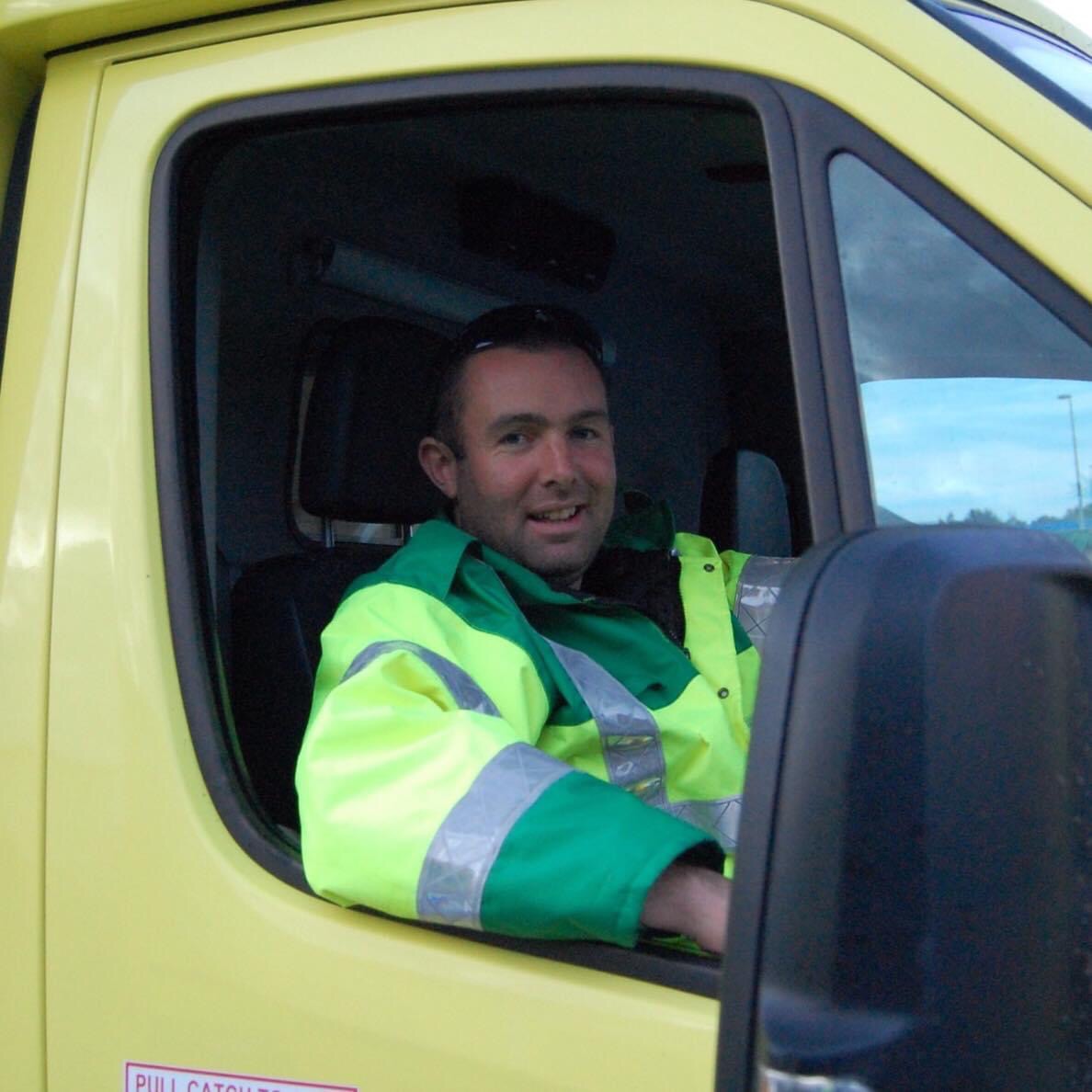
"When I initially began my career in emergency medicine, I would often admire certain staff members who could locate a difficult vein when nobody else could. I knew right there and then there would come a time when that particular person will not be working with me and I would have to find this myself. Fail to prepare.. Prepare to fail"
"Ross Mannion NQEMT, AREMTP, NREMT Paramedic MSc"
Importance of Competency
Patients' lives depend on you in profound and significant ways. The trust that patients place in us is immense, as they often find themselves in vulnerable situations where they rely on our expertise and judgment to guide their care. They are our responsibility, its what we signed up for.
Proper training ensures that we can perform the tasks required with confidence, skill, and precision. Continuous education and hands-on practice are essential components of this training process, allowing us to refine our skills and stay updated with the latest advancements in medical science.
Our team at ER Training are registered practitioners in Ireland, who bring a wealth of experience and expertise to this environment. We not only impart knowledge but also serve as mentors, guiding our students through complex scenarios and instilling the confidence needed to handle them.
The training is carried out in our elite training rooms in University College Cork. The Phlebotomy & IV Cannulation program is awarded by the Nursing & Midwifery Board of Ireland, a reputable authority that ensures our training meets rigorous standards of excellence.
This accreditation is a testament to the quality and relevance of the training provided, ensuring that all participants are well-equipped to meet the demands of their roles. Training adds to competency, enhancing not just individual skills but also contributing to the overall quality of care provided to patients. As healthcare continues to evolve, the importance of maintaining and improving competency cannot be overstated, as it directly impacts patient outcomes and the effectiveness of the healthcare system as a whole.
Impact on Patient Care
The way blood draws are conducted significantly impacts patient care. Many patients feel nervous about having their blood drawn, but a well-trained phlebotomist can ease this anxiety through effective communication and professionalism.
Efficient phlebotomy processes contribute to shorter wait times in busy healthcare settings. In fact, facilities with well-trained phlebotomists report a 25% reduction in patient wait times, which can dramatically improve overall patient experiences and outcomes.
By understanding these regulations, phlebotomists ensure best practices in blood collection and management. Non-compliance can result in severe repercussions, including legal issues and direct risks to patient safety.
Training As A Phlebotomist In Ireland
In Ireland, phlebotomy training is primarily available to healthcare professionals.
At E.R Training, we do allow people without a healthcare background to join our program. After finishing the course it is possible they can pursue a career as a GP practice assistant.
People not from professional healthcare backgrounds are limited to a role as a GP practice assistants. Without coming from a healthcare background people would not be permitted to work in hospitals because they lack clinical education & experience.
How can i work in a hospital as a Phlebotomist in Ireland?
Hospitals will require Phlebotomy staff to be on a professional medical register such as the Irish Medical Council, Nursing & Midwifery Board of Ireland or the Pre-Hospital Emergency Care Council
That said more and more hospitals are known to employ healthcare assistants in this role.
Healthcare assistants need to check with their own hospitals etc to see if their Policies allow them to carry out Phlebotomy & IV Cannulation. This varies from one healthcare facility to another. Other non - healthcare staff (Not on a professional register) would not be suitable candidates for working in a hospital.
Can I Train As A Medical Student?
Yes. We usually have medical students on our course, primarily seeking knowledge and or looking foran opportunity to work part-time with GP practices etc.
Can I Train If I Am Waiting For My Professional Registration?
Yes. And why not? We show & familiarize you with the all the Phlebotomy & IV Cannulation equipment used in Ireland from both hospital to ambulance service.
What About Coming From Aesthetics or Dental Nursing?
Yes. These are also areas that need training in Phlebotomy. We have students from these areas of healthcare training with us quite often.
Career Opportunities in Phlebotomy?
Phlebotomy training not only improves skills but also provides access to numerous career opportunities in the healthcare sector. Jobs can be found in hospitals, clinics, blood donation centers, laboratories, and both healthcare and non-healthcare settings.
Is there a qualification in Phlebotomy in Ireland?
As of June 2025, there is no opportunity to pursue a diploma, degree, or QQI qualification in phlebotomy in Ireland. The NMBI Certificate is currently the standard, and we offer it at University College Cork.

The Role of Technology in Phlebotomy Training
Recent advancements in technology have revolutionized training in Phlebotomy and IV Cannulation.
Companies like B Braun have introduced significant innovations in venous access. With cutting-edge safety features and technology, these advancements have greatly benefited both patients and clinicians. Our top-quality training simulation tools in University College Cork gives students the chance to practice techniques in a secure setting, greatly enhancing their learning experience. All of our students consistently practice these techniques under the supervision of our staff.
Continuing Education and Professional Development
The healthcare field is constantly evolving, making continuous education essential for healthcare providers.
Engaging in continuing education programs ensures that healthcare providers remain current with best practices and emerging technologies. Furthermore, being well-informed enhances individual performance, which in turn benefits the healthcare setting.
Our Phlebotomy & IV Cannulation course is approved by NMBI and offers 6 CPD points for healthcare professionals. Course date etc can be viewed on our page here
Final Thoughts
Phlebotomy and IV Cannulation training greatly improves healthcare standards by providing professionals with the necessary skills for patient wellbeing. Competency, compliance with regulations, and continuous education are essential aspects of healthcare training.
As healthcare progresses, the demand for healthcare workers skilled in these areas also increases. Investing in quality training programs is essential for maintaining high standards of patient care and improving overall healthcare outcomes. With well-trained healthcare workers on the team, healthcare facilities can provide accurate diagnostics, promote patient comfort, and enhance the quality of care.
"When Seconds Count... Training Matters"
Ross Mannion NQEMT, AREMTP, NREMT Paramedic MSc

Comments